Here’s the thing most of us don’t like admitting. You can eat ghar ka khana, skip junk most days, sleep a decent seven hours — and still feel exhausted, moody, foggy, or weirdly low on energy. Not dramatic-tired. Just… off.
And no, it’s not always stress. According to multiple Indian health surveys, 76% of Indians are Vitamin D deficient, and nearly 47%—especially in North India—lack Vitamin B12. That’s not a niche problem. That’s a population-level issue hiding behind busy lives and “I’m fine” attitudes.
In short:
- India doesn’t have a food shortage — it has a nutrition absorption problem
- Most deficiencies show up as “normal tiredness” before becoming real health issues
- The fix isn’t fancy supplements — it’s smarter food habits
Let’s talk about the five most common vitamin and mineral deficiencies in India, why they’re exploding right now, and what actually helps.
Vitamin D Deficiency in India: Sun Everywhere, Absorption Nowhere
If there’s one vitamin India should not be deficient in, it’s Vitamin D. And yet, here we are.
As reported by Indian Council of Medical Research data, nearly 3 out of 4 Indians have sub-optimal Vitamin D levels.
Why Vitamin D matters more than you think
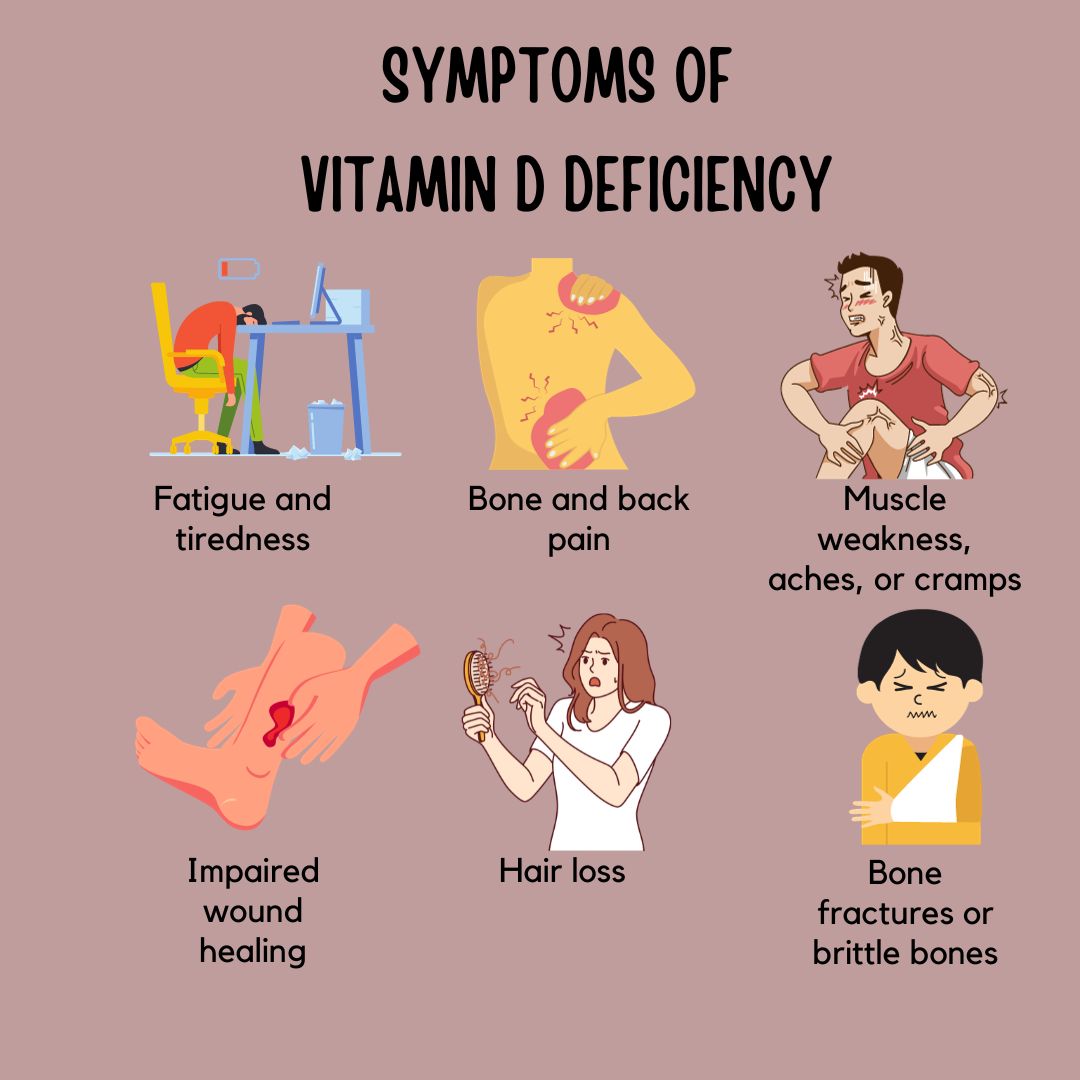
Vitamin D isn’t just about bones. When it drops:
- Muscles weaken
- Immunity crashes
- Fatigue becomes constant
- Calcium supplements stop working
- Mood starts misbehaving (yes, irritability counts)
If you’ve ever thought, “I eat fine but still feel drained”, this might be your missing piece.
So why is this happening?
Let’s be honest:
- We live indoors
- We sunscreen our way out of sunlight
- We step outside mostly to commute, not absorb sun
Modern lifestyle, meet ancient biology.
What actually helps (and what doesn’t)
- 8–10 minutes of direct sunlight daily if ~25% of your body is exposed
- Sun-exposed mushrooms: When mushrooms are kept in sunlight for even 1–2 hours before cooking, their Vitamin D content spikes massively — studies have shown increases from 1,000 IU to over 40,000 IU
Honestly, this is one of the coolest nutrition hacks no one talks about enough.
Supplements?
Short-term, high-dose Vitamin D3 only after a blood test and medical advice. Long-term blind supplementation can cause calcium deposits unless balanced with Vitamin K, which naturally comes from:
- Cold-pressed oils
- Green leafy vegetables
- Dried figs
If you ask me — food plus sun beats pills every time.
Vitamin B12 Deficiency: Why Even Non-Vegetarians Are Low
Signs your B12 might be low
- Extreme tiredness after normal meals
- Mood swings, anxiety, brain fog
- Tingling in hands or feet
- Low sperm count in men
- Frequent infections
B12 is essential for nerve health, red blood cell formation, and energy conversion. Without it, food is fuel your body can’t fully use.
Why B12 absorption is failing
This part surprises people:
- Frequent antacid use kills gut bacteria
- Diabetes medication like metformin blocks B12 absorption
- Demineralised RO water lacks cobalt — a B12 building block
- Weak gut microbiome = weak B12 levels
Your gut health and B12 are deeply connected. Ignore one, the other follows.
The food solution that works
- Fermented foods: idli, dosa, dhokla, kanji, homemade pickles
- Milk and curd: one glass of milk gives ~50% daily B12
- Moringa leaves — the real MVP
Add moringa leaves to rotis, dal, rice, or vegetables. Fresh or sun-dried. No taste change, real impact. People see B12 levels improve within months.
Not magic. Just biology doing its thing.
Zinc Deficiency: The Mineral Behind Hair Loss & Hormonal Issues
What zinc deficiency looks like
- Hair fall
- Slow wound healing
- Skin rashes, eczema
- Loss of taste or smell
- Low testosterone and fertility issues in men
The sneaky reason healthy eaters still lack zinc
You might eat whole foods — but do you soak them?
Not soaking:
- Lentils
- Grains
- Dry fruits
…means anti-nutrients block zinc absorption.
Ayurveda wasn’t being dramatic about soaking. It was being precise.
The fix
- Soak lentils and grains for at least 4 hours
- Cook using the soaked water
- Reduce refined, packaged foods
Zinc supplements? Only in rare, doctor-recommended cases. Excess zinc messes with your gut and nerves. Not cute.
Folate Deficiency: The Quiet Vitamin Affecting Energy & Pregnancy
Signs you might be low
- Frequent mouth ulcers
- Weakness
- Pale or yellowish skin
- Red or inflamed tongue
Folate (Vitamin B9) is critical for DNA repair and blood formation. During pregnancy, deficiency can affect brain and spinal development of the baby.
Why folate drops
Not poverty. Not access. It’s lack of diet variety. Eating the same dal, same grain, same vegetables every day lowers micronutrient diversity.
Food fixes
- Green leafy vegetables
- Beetroot
- Citrus fruits
- Bananas and papaya
Rotate foods seasonally and folate deficiency becomes rare. Simple, old-school wisdom.
Magnesium Deficiency: The Heart Health Mineral We Ignore
Signs you shouldn’t ignore
- Muscle cramps
- Stiff neck or back pain
- Morning stiffness
- High blood pressure
Why magnesium runs low
- Excess tea, coffee, alcohol, soft drinks
- Long-term calcium tablet use
- Low intake of green foods
Best natural sources
- Green leafy vegetables
- Pumpkin and sesame seeds
- Nuts and bananas
- Millets like bajra and little millet
Magnesium pills sound convenient but food works better long-term. Always has.
SmartlyEco Tip: How to Choose Better (Without Overthinking)
Do this instead of chasing supplements:
- Eat seasonal, rotating foods
- Soak grains and lentils
- Include fermented foods weekly
- Get sunlight without fear
- Respect your gut health
Your body is smarter than most labels.
FAQs
Q1: Can I fix vitamin deficiencies without supplements?
Yes — most mild to moderate deficiencies respond well to food, sunlight, and absorption-focused habits.
Q2: Are vegetarians more prone to B12 deficiency?
Yes, but even non-vegetarians can be deficient due to poor gut absorption.
Q3: Is daily sunlight enough for Vitamin D?
Short, direct exposure works better than long indirect exposure.
Q4: Should I take zinc supplements for hair fall?
Only after testing. Improper supplementation can worsen digestion.
Q5: Are millets really good for mineral balance?
Absolutely. Millets are naturally rich in magnesium and micronutrients.
Final Thoughts: Health Isn’t Trendy — It’s Foundational
Most vitamin deficiencies don’t begin in hospitals. They begin in kitchens, routines, and daily habits we barely question.
Next time you feel “off,” don’t jump to Google or supplements. Pause. Look at your plate. Look at your sunlight. Look at your gut. That’s where real health starts.
🌱 Next time you shop, check how food is prepared — not just what’s on the label.

Nikita Palesha is a wellness advocate and eco-conscious writer who shares simple, sustainable tips for everyday living. She’s passionate about mindful choices that support a healthier planet and a balanced lifestyle.