
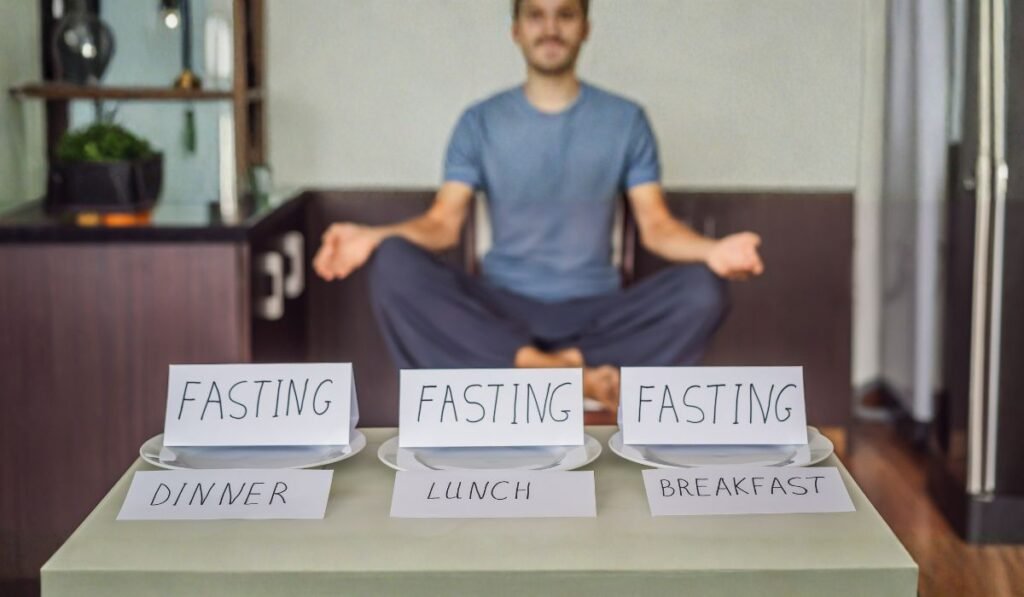
Okay, first things first — fasting isn’t some new “bio-hack” influencers discovered on YouTube. Nope. Our grandmothers did it way before it became cool. Remember those Ekadashi fasts? Navratri? Or even the “no food till sunrise” thing some elders followed? That was fasting — spiritual, yes, but also deeply scientific.
Now, if you’re like me, you’ve probably tried “intermittent fasting” after watching one of those videos. You start strong — “I won’t eat till noon!” — but by 10:30 a.m., the smell of samosas suddenly feels like emotional torture. Been there.
But here’s what’s fascinating: once you cross that initial discomfort, something magical happens. Your energy doesn’t drop — it rises. Your mind becomes clearer. And your hunger stops controlling you.
Sounds dramatic? Wait till you understand why.
Your Body Has a Hidden Reset Button
Here’s the deal — when you stop eating for a while, your body isn’t being deprived. It’s actually being given a break. Think of it like giving your digestive system a Sunday off.
Most of us eat nonstop — breakfast, coffee, snacks, lunch, more coffee, biscuits, dinner, dessert. The body’s busy digesting all day long. Fasting simply says, “Hey body, take a breather.”
Once that happens, your body switches to repair mode. It starts cleaning up old cells, removing toxins, and burning stored fat for energy.
That’s not a myth — that’s autophagy, a real process that won the Nobel Prize in 2016.
So yeah, your grandmother’s “upvaas” was actually Nobel-level science. Who knew?
Ayurveda Knew It All Along
Ayurveda calls fasting “langhanam param aushadham” — “fasting is the ultimate medicine.” Beautiful, right?
Ayurvedic fasting isn’t about starvation. It’s about balance.
When your Agni (digestive fire) gets overloaded, toxins (called Ama) start building up. You feel dull, bloated, tired — even emotionally heavy. By fasting, you give your Agni space to reset, reignite, and digest not just food — but life.
Ever noticed how, during religious fasts, people seem calmer, more patient? That’s not just devotion. When your gut rests, your mind rests. Ayurveda literally says — “When digestion improves, so does your thought process.”
Modern science calls it the gut-brain axis. Ayurveda said it 5,000 years ago.
The Phases — What Actually Happens When You Fast
Let’s break it down simply.
- 0–4 hours: Your body is just digesting the last meal. Nothing fancy.
- 4–12 hours: Insulin drops. Your body starts tapping into fat for slow, stable energy.
- 12–16 hours: Magic zone. Autophagy kicks in — your body starts cleaning up old cells.
- 16–24 hours: Growth hormones rise. Inflammation drops. You feel lighter, sharper, and strangely peaceful.
If you’ve ever done a proper fast and reached the “I’m not even hungry anymore” stage — that’s your system healing.
The Mistakes Most People Make
Now, let’s be real. Fasting can go wrong if done like a punishment.
- Mistake 1: Overdoing it.
Don’t start with 24 hours. Start small. Maybe skip breakfast once or twice a week. - Mistake 2: Not hydrating.
Water is your best friend. Coconut water, lime water, herbal teas — all count. - Mistake 3: Munching after.
You fast 16 hours and then eat like it’s your last meal on Earth? Nope. That defeats the purpose. - Mistake 4: Fasting without rest.
Your body needs calm. Don’t fast on a stressful Monday. Pick a relaxed day.
It’s about gentle discipline, not punishment.
Different Types of Fasting You Can Try
Fasting doesn’t have to mean “no food at all.” You can pick what fits your lifestyle.
- Intermittent Fasting (16:8): Eat within 8 hours, fast for 16.
- Fruit Fasting: Only fruits for a day — light, cooling, and nourishing.
- Liquid Fasting: Coconut water, buttermilk, lemon water.
- Water Fasting: No food only water (luke warm prefered) – sounds impossible, but ask one of your jain friend how do they manage it!
- Dry Fasting: No food or water — extreme, should be done rarely and mindfully.
And then there’s Ayurvedic Fasting — the most natural one. Skip heavy foods, eat only light khichdi or fruits (satvik foods), and rest. Ayurveda says, “The best fasting is the one that feels effortless.”
My Experience (And Maybe Yours Too)
I tried fasting for the first time during lockdown. No office, no pressure — just me and my fridge. At first, it was all about willpower. I was counting hours. But something shifted around day four.
I started feeling… lighter. Not just physically. Mentally too. My sleep improved. My focus was sharper. Even food started tasting better — like my tongue had woken up.
And that’s when it hit me — fasting isn’t about deprivation. It’s about sensitivity. You stop eating, and suddenly you notice how beautiful real hunger feels. How deeply peaceful silence can be.
If that sounds poetic, maybe that’s what fasting really is — the poetry of your body healing itself.
Science + Spirituality = Balance
You don’t have to choose between Ayurveda and science. Both are saying the same thing in different languages.
Science says fasting boosts metabolism, lowers inflammation, and even delays aging.
Ayurveda says it balances Vata, Pitta, Kapha and strengthens Agni.
Both agree — you feel better when you stop stuffing yourself every few hours.
So whether you call it upvaas or “intermittent fasting,” remember this: you’re not just skipping food. You’re pressing reset.
How to Start (Without Torturing Yourself)
- Begin with 12 hours — say 8 p.m. to 8 a.m.
- Gradually move to 14 or 16 hours.
- Drink water often. Add a pinch of rock salt if you feel low.
- Break your fast gently — fruits first, then light food.
- Don’t talk about fasting every hour (trust me, we’ve all done it). Just flow with it.
Your body will tell you what feels right. Listen. That’s the whole point.
FAQs: Real Questions People Ask About Fasting
Q1: Is fasting safe for everyone?
Not for everyone. If you have diabetes, are pregnant, or have eating disorders, talk to your doctor first. Ayurveda says — fasting should suit your Prakriti (body type).
Q2: How long should I fast?
Start small. 12–14 hours is enough for beginners. Let your body adapt gradually.
Q3: Can I drink tea or coffee while fasting?
Water and herbal teas are fine. Black coffee is okay for some, but avoid milk or sugar — they break the fast.
Q4: What should I eat after fasting?
Start light — fruits, soups, or khichdi. Avoid fried or heavy food right after.
Q5: Why do I feel more energetic when I fast?
Because your body shifts from digestion to repair. Energy once used to process food now fuels your brain and cells.
Final Thought: Fasting Isn’t About Food — It’s About Freedom
You stop eating, and suddenly you realize how much of life revolves around food. Planning, cooking, scrolling Zomato… When you take that away for a bit, you get time — for yourself.
Fasting gives you clarity. Space. Sensitivity. And that lightness you feel? That’s your body saying, “Thank you.”
So next time your grandma reminds you it’s Ekadashi, don’t roll your eyes. Maybe she knew something science is still catching up with.

Nikita Palesha is a wellness advocate and eco-conscious writer who shares simple, sustainable tips for everyday living. She’s passionate about mindful choices that support a healthier planet and a balanced lifestyle.